
A Constructive dismissal claim arises when an employee resigns due to significant, unfair changes in their employment. Proving such a claim requires careful legal analysis and evidence gathering. Lawyers at htwlaw.ca specialize in evaluating the circumstances surrounding resignations, ensuring that employees understand whether their case meets the threshold for constructive dismissal. By examining workplace actions and contractual breaches, legal experts can determine the strongest approach to secure compensation or other remedies effectively.
Key Factors in Proving Constructive Dismissal
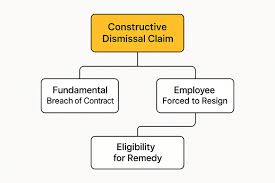
To succeed in a constructive dismissal claim, lawyers must demonstrate that the employer fundamentally breached the employment contract or created an intolerable work environment. This may include sudden pay cuts, demotions, harassment, or unreasonable changes in duties. Legal teams like HTW Law explore all possible angles, assessing both the severity of the employer’s actions and the employee’s response. Their goal is to ensure every avenue is pursued, increasing the likelihood of a successful outcome for the client.
Gathering Evidence
Evidence is crucial when proving a Constructive dismissal claim. Lawyers typically collect emails, performance reviews, internal memos, and witness statements to show that the employer’s conduct made continued employment untenable. Legal professionals at htwlaw.ca guide clients in documenting incidents accurately and comprehensively. Properly organized evidence strengthens the claim, giving employees a clear path to demonstrate that resignation was the only reasonable option under the circumstances.
Demonstrating Contractual Breach
A core part of a constructive dismissal claim is showing that the employer violated the employment contract. Lawyers analyze the terms of the contract and compare them to the changes imposed by the employer. This may include unilateral pay reductions, relocation without consent, or removal of key responsibilities. HTW Law ensures that every contractual element is examined, providing clients with a strategic plan to prove that the employer’s actions legally justify resignation and potential compensation.
Assessing the Employee’s Response
Proving constructive dismissal also requires demonstrating that the employee acted reasonably after the breach. Lawyers evaluate whether the employee attempted to resolve issues internally before resigning. This can include raising concerns with management or HR. htwlaw.ca emphasizes a methodical approach, documenting all attempts to mitigate the situation. This helps reinforce the argument that resignation was a last resort and that the employer’s conduct forced the decision.
Legal Strategy and Negotiation
Lawyers often use negotiation and settlement strategies to resolve a constructive dismissal claim outside of court. By presenting detailed evidence and legal arguments, they can encourage employers to settle fairly. HTW Law focuses on exploring every potential legal avenue, ensuring clients receive maximum compensation while minimizing the stress of litigation. Their approach balances aggressive advocacy with practical resolution strategies, tailored to each client’s unique situation.
Importance of Expert Guidance
Successfully proving a Pay in lieu of notice is complex, requiring expertise in employment law, documentation, and negotiation. Without proper legal support, employees risk weakening their claim or missing opportunities for compensation. Engaging professionals from htwlaw.ca ensures every legal option is considered, evidence is effectively organized, and strategies are designed to achieve the best possible results, both financially and professionally.
Conclusion
Proving a constructive dismissal claim involves establishing a serious breach of contract or intolerable work conditions, supported by thorough evidence and strategic legal guidance. Firms like HTW Law dedicate themselves to examining every legal angle, ensuring clients are well-prepared to pursue compensation and remedies. With careful documentation, professional advice, and targeted negotiation, employees can confidently assert their rights and leave a challenging workplace situation with both justice and tangible benefits.

+ There are no comments
Add yours