
Advantages of Using FPC Circuit Board
The primary advantages of using fpc circuit board are its flexibility and durability. Flexibility is an important feature of many electronic devices, as it allows them to be shaped to fit into small spaces without compromising their functionality. Durability is another benefit of fpc, as it resists bending and folding more than traditional PCBs. This makes them a good choice for use in items such as portable GPS systems, cell phones, and tablets.
The manufacturing process for fpc circuit board is very similar to that of a rigid PCB, with copper traces printed on a substrate and protected from oxidation by an insulation layer. The insulating layer is usually made from either polyimide or PET, while the copper traces are typically printed with a conductive ink. The insulating and conductive layers are then coated with solder masks to protect the copper and prevent it from shorting. Depending on the specific application, the copper traces can also be made of different metals, such as silver and gold.
Another advantage of fpc is that it is much thinner and lighter than a typical rigid PCB. This is beneficial for reducing the weight of the final product and making it easier to transport and carry. In addition, fpc can be designed to have improved heat dissipation properties, which is an important factor in certain applications.
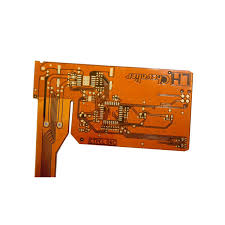
Primary Advantages of Using FPC Circuit Board
FPCs can also be used in combination with rigid-flex boards, which are a hybrid of rigid and flexible components. Generally, the rigid areas are used to mount components and connect them to each other, while the flex circuits allow for movement that is required in some cases. For example, a rigid-flex circuit can be used to connect a display to the main unit of a portable GPS device, which would otherwise need to be connected with wires.
While the flexibility and durability of fpc are significant advantages, there are some drawbacks that should be considered when considering this type of technology. First, fpcs are typically more expensive than rigid PCBs, since they are custom-designed for specific applications. This means that the initial costs of circuit and prototype design are higher, making them best suited for large production runs.
In addition, fpcs can have a difficult time maintaining high line widths, which is necessary for some wireless applications. The loss of these line widths can significantly reduce performance, which is why it is important to ensure that the fpcs are produced using the highest-quality materials possible.
FPCs have a number of other benefits, such as allowing for faster assembly and providing better thermal and electrical properties. They are also often used in mobile devices, such as portable GPS systems, where they can connect a small battery and multiple other components to the main unit of the device. This can save space and reduce the overall cost of the product, while ensuring that it is functional and attractive to consumers. Aesthetics play an important role in the decision-making process of potential buyers, and a more attractive design can help to boost sales.



+ There are no comments
Add yours