
inspection techniques are used for a flexible printed circuit
Inspection of flexible printed circuits (FPCs) is a critical step in the manufacturing process, ensuring the reliability, functionality, and quality of the final product. Given the unique characteristics of FPCs, such as their flexibility, thinness, and complexity, specific inspection techniques are employed to detect defects and ensure adherence to design specifications. These techniques help manufacturers identify potential issues early in the production process, reducing the likelihood of failures in the final application.
One of the primary inspection techniques used for flexible printed circuits is visual inspection. This method involves the manual or automated examination of the circuit’s surface to identify visible defects such as scratches, misalignments, or inconsistencies in the printed traces. Visual inspection can be conducted using magnifying lenses or microscopes to enhance the visibility of small defects. Automated optical inspection (AOI) systems are increasingly used to streamline this process. AOI employs high-resolution cameras and image processing algorithms to compare the actual circuit layout with the intended design, allowing for the rapid identification of defects. This technique is particularly effective for detecting issues such as open circuits, shorts, and misprinted features.
Electrical testing is another essential inspection technique used to verify the functionality of flexible printed circuit. This method involves applying electrical signals to the circuit and measuring the response to ensure that it operates within the specified parameters. Common electrical tests include continuity testing, which checks for open circuits, and insulation resistance testing, which measures the dielectric strength between traces and ground. Additionally, more advanced techniques such as in-circuit testing (ICT) can be employed to evaluate the performance of specific components within the FPC, ensuring that they function correctly and meet design specifications.
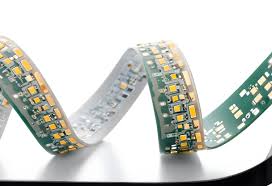
What inspection techniques are used for a flexible printed circuit?
In addition to visual and electrical inspections, X-ray inspection is often utilized for flexible printed circuits, particularly in applications involving multi-layer designs or complex assemblies. X-ray inspection allows manufacturers to see through the layers of the circuit and identify defects that may not be visible from the surface. This technique is particularly useful for detecting issues such as hidden solder joints, voids, or delamination within the layers. X-ray inspection provides valuable insights into the internal structure of FPCs, enabling manufacturers to ensure the integrity and reliability of the final product.
Microsectioning is another effective inspection technique used for flexible printed circuits. This process involves cutting a small section of the circuit and examining it under a microscope to analyze the internal structure and material composition. Microsectioning allows for the evaluation of layer adhesion, trace width, and other critical parameters. By providing a detailed view of the circuit’s construction, microsectioning can help identify potential issues related to manufacturing processes, such as delamination or inadequate trace thickness.
Thermal imaging is also increasingly being used as an inspection technique for flexible printed circuits. This method involves using thermal cameras to detect temperature variations on the surface of the circuit during operation. By monitoring the thermal performance of FPCs, manufacturers can identify hotspots that may indicate electrical faults or insufficient thermal management. This technique is particularly valuable for high-power applications where heat dissipation is critical to maintaining reliability.
Lastly, the use of automated testing equipment and software can significantly enhance the efficiency and accuracy of inspection processes. These systems can be programmed to perform a variety of tests and inspections, reducing the likelihood of human error and ensuring consistent results. By integrating inspection techniques with manufacturing processes, manufacturers can implement real-time quality control measures, allowing for immediate feedback and corrections.



+ There are no comments
Add yours