
Quality Controls Does a Flex PCB Manufacturer Use
A flex circuit board is a flexible printed circuit board (PCB) with a unique shape and structure that can bend, crease, and fold for easy positioning. They are used in various consumer and medical electronics that need to be portable, lightweight, and have high flexibility. They can also be a good choice for tight spaces that can’t fit rigid boards.
The flex PCB manufacturing process involves meticulous selection of materials, precise etching, and lamination. This ensures that the finished product meets the quality standards required for modern electronic devices. This is a crucial step in the production of these products, and it should only be done by a certified, experienced flex pcb manufacturer.
A reliable flex circuit board manufacturer will have a rigorous quality control process that includes first-article inspection, in-process checks, end-product testing, and other procedures. This will help them produce consistent, high-quality products that meet industry and customer specifications.
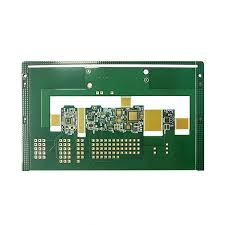
What Quality Controls Does a Flex PCB Manufacturer Use?
Flex circuits are usually made of a base material like polyimide or FR4 that’s laminated to an ultrathin copper foil. The copper foil is then patterned using lithographic processes to produce the conductive paths or traces. The thickness of the copper foil can vary, with thinner options better for flexibility and higher current carrying capabilities, while thicker choices provide more rigidity and controlled impedance.
Once the traces are etched and plated, holes for components are drilled into the flex circuits using mechanical drilling techniques. Then, the drilled holes are filled with either epoxy or a pressure-sensitive adhesive called PSA. These adhesives can be used to secure the components on a flex circuit, and they can also be soldered to the board in order to make a permanent connection.
When the flex circuits are ready for assembly, they’re tested again to make sure they can bend and fold properly. These tests can include flex cycle endurance, dynamic bending, torsion and twist, adhesive bond strength, and environmental stress testing.
In addition to these tests, a flex circuit board should also be tested for solderability. The traces should have rounded corners to prevent damage, and the connections between them should be plated with gold or silver for maximum durability. The flex circuits should also have protective covers to reduce the risk of shorting and electrical failure.
The final part of the flex circuit manufacturing process is to add the necessary finishing touches, such as silkscreen and solder mask. These layers protect the exposed pads and surfaces of the traces from contamination during the assembly process, and they can also increase the flex circuit’s strength and resistance to environmental stresses.
Other finishes, such as tin and soft gold, can also be added to the flex circuits to add aesthetic appeal and enhance their durability. A tin finish can help protect against corrosion, while soft gold is good for areas that are expected to be bended frequently. A tin finish is also available with an anti-static coating to minimize the risk of static damage.



+ There are no comments
Add yours