
different types of circuit card assembly manufacturers materials
Circuit card assemblies (CCAs), or printed circuit boards (PCBs), are fundamental to modern electronic devices, serving as the backbone that interconnects and supports various electronic components. The materials used in manufacturing these assemblies are crucial to their performance, reliability, and suitability for different applications. There are indeed different types of materials employed in the production of circuit card assemblies, each offering distinct properties and advantages. Understanding these materials helps in selecting the right type for specific electronic needs.
The most common material used in circuit card assembly manufacturers is FR4, a fiberglass epoxy laminate. FR4 is favored for its excellent mechanical strength, high electrical insulation properties, and relatively low cost. This material is particularly suited for rigid PCBs used in consumer electronics, industrial controls, and automotive applications. The rigidity of FR4 boards provides a stable platform for mounting components, ensuring durability and reliability in various operating conditions.
For applications requiring flexibility, materials like polyimide and polyester film are employed. Flexible printed circuit boards (FPCBs) are typically made from polyimide, which offers superior flexibility, heat resistance, and chemical stability. These properties make polyimide an ideal choice for circuits that need to bend, twist, or fold, such as those found in wearable devices, foldable smartphones, and aerospace applications. Polyester film, while less heat-resistant than polyimide, is a more cost-effective option for flexible circuits used in simpler applications like consumer electronics and low-cost sensors.
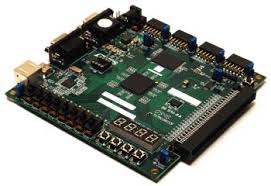
Are there different types of circuit card assembly manufacturers materials?
Another important material in circuit card assembly manufacturing is PTFE (Polytetrafluoroethylene), commonly known by the brand name Teflon. PTFE is used in high-frequency applications due to its excellent dielectric properties and low signal loss. It is commonly found in RF (radio frequency) and microwave circuits, where maintaining signal integrity is critical. The use of PTFE ensures that the electronic signals are transmitted with minimal interference and loss, making it essential for communication equipment, radar systems, and high-speed data transmission applications.
Metal core PCBs (MCPCBs) represent another significant category, designed for applications requiring enhanced thermal management. These boards incorporate a metal substrate, usually aluminum or copper, to dissipate heat more effectively than traditional FR4 boards. MCPCBs are used in high-power applications, such as LED lighting, power supplies, and motor controllers, where efficient heat dissipation is crucial to maintaining performance and longevity.
In addition to these primary materials, advanced composites and ceramics are also used in specialized applications. High-frequency PCBs might use materials like Rogers’ laminates, which offer low dielectric constant and low signal loss for superior performance at microwave frequencies. Ceramics, such as aluminum oxide or aluminum nitride, are employed in high-temperature and high-reliability environments, such as military and aerospace applications, where their thermal and electrical properties are highly advantageous.
The choice of material for a circuit card assembly also depends on factors such as the intended operating environment, mechanical requirements, and cost constraints. For example, in harsh environments where moisture and chemicals are present, materials with high resistance to corrosion and environmental degradation are preferred. In contrast, consumer electronics often prioritize cost-effectiveness and manufacturing efficiency, leading to the widespread use of FR4.
Furthermore, the trend towards miniaturization and increased functionality in electronic devices drives the development of new materials and composites. These innovations aim to combine multiple desirable properties, such as high thermal conductivity, flexibility, and low dielectric loss, to meet the growing demands of advanced electronic applications.
In conclusion, the variety of materials used in circuit card assembly manufacturing reflects the diverse requirements of modern electronics. From the ubiquitous FR4 to specialized materials like polyimide, PTFE, and metal cores, each material offers unique benefits that make it suitable for specific applications. As technology evolves, the development and use of new materials will continue to play a crucial role in advancing the capabilities and performance of electronic devices.



+ There are no comments
Add yours